Is Livermore Wine Country Living Worth the Commute?
If you love the idea of wine-country living but still need a realistic path to Bay Area job centers, Livermore deserves a close look. It offers open land, a busy downtown, and winery access that can feel built into everyday life, not saved for special occasions. At the same time, your commute may require more planning, more driving, or a transfer-based routine depending on where you work. Let’s dive in.
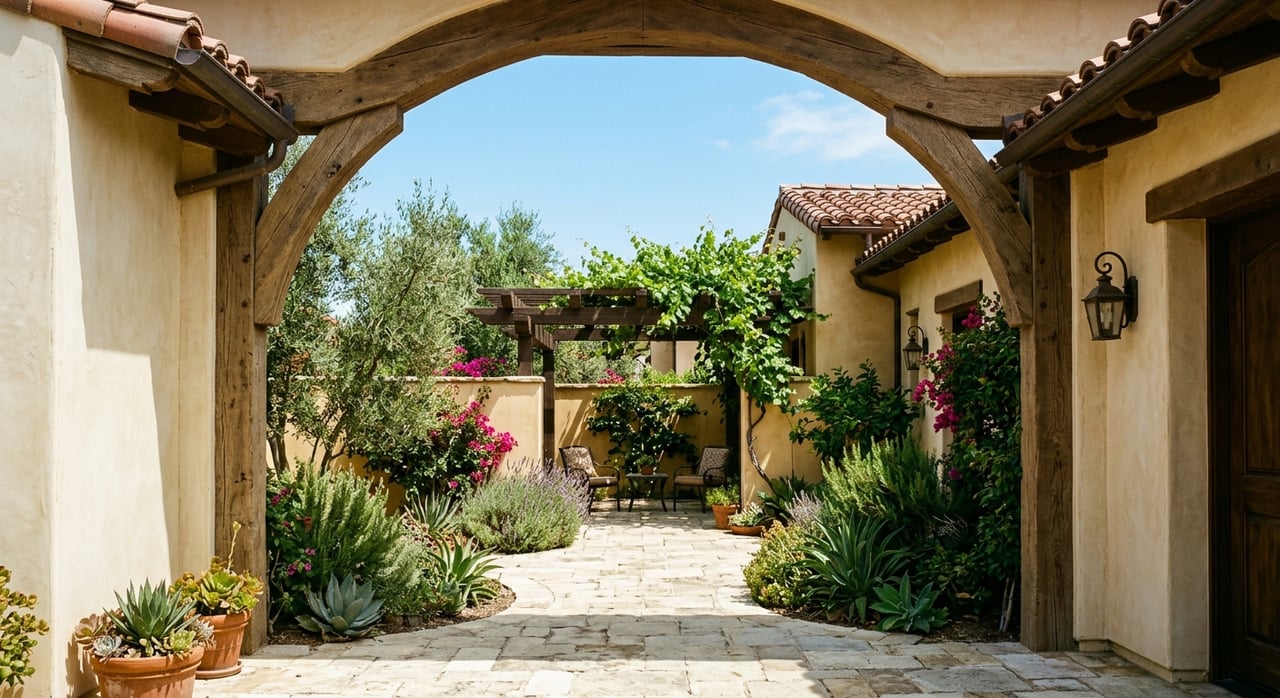
Livermore stands out because it blends suburban living with a strong agricultural and wine-country identity. The city highlights local climate, soils, terrain, and geography as part of what supports biodiversity, ranching, and winemaking. It also has open-space policies designed to protect agricultural conservation and scenic value.
That matters if you want a home base that feels more open and less built out. The city says it has acquired or helped acquire and protect more than 1,000 acres of open space. In practical terms, that helps preserve the sense of breathing room that many buyers are looking for.
Livermore was estimated at 84,867 residents in 2024, so you are not moving to a tiny rural town. You still get the structure and convenience of an established city. The appeal is that you can have that city framework while being close to vineyards, trails, and protected land.
One of Livermore’s biggest lifestyle advantages is how close wine country sits to daily routines. The city highlights more than forty wineries within minutes of downtown, along with live outdoor music, wine festivals, and other local events. The Livermore Valley wine community also presents the area as an easy day trip from San Francisco and San Jose.
For buyers, the key takeaway is not just tourism. It is that tasting rooms, scenic drives, and vineyard views can become part of your regular week. That is a different experience from living in a denser job-center market where a winery outing usually means more advance planning.
The wine-country identity also pairs well with Livermore’s broader local culture. You are not choosing between a suburban home and things to do. You are choosing a place where weekend plans can feel easy and close to home.
A common misconception is that Livermore’s appeal begins and ends with wineries. In reality, the city describes downtown as vibrant and historic, with shopping, dining, movies, performing arts, museums, and live outdoor music on most summer days. That gives the area more day-to-day usability than some buyers expect.
Downtown also works as an everyday gathering place, not just an evening destination. Downtown Livermore hosts a year-round Sunday farmers market and a Thursday market during spring and summer. That steady rhythm can make the city feel active and connected throughout the week.
If your goal is balance, this matters. You can enjoy a quieter suburban setting without giving up walkable pockets of activity, local events, and a recognizable town center.
Livermore’s outdoor access is a major part of the trade-off conversation. LARPD operates four open-space parks: Sycamore Grove, Holdener Park, Garaventa Wetland Preserves, and Brushy Peak. The agency describes these spaces as a chance to explore nature in your own backyard.
Sycamore Grove alone covers 847 acres and is open daily from 7:00 a.m. to sunset. It supports hiking, biking, walking, and jogging, which can make it easier to fit outdoor time into a normal workweek. For many buyers, that kind of nearby access is a real quality-of-life upgrade.
Del Valle Regional Park adds another layer to the area’s appeal. Located about 10 miles south of Livermore, it includes a five-mile lake and 4,395 acres of parkland, with boating, camping, hiking, horseback riding, swimming, and nature study. If you value open-air recreation, Livermore offers more than just a scenic backdrop.
Local trails also help connect the city internally. LARPD says the South Livermore Valley Trail and Arroyo Mocho Trail support bike and pedestrian access across town. That reinforces the idea that outdoor living here is not limited to weekend drives.
The biggest trade-off for many buyers is simple: Livermore can offer more space, preserved land, and a quieter setting, but it is farther from the inner East Bay job centers. That does not make it impractical. It means your work location and schedule should play a central role in your home search.
The mean one-way commute for Livermore residents is 30.1 minutes. That number gives you a broad reference point, but your actual experience may vary a lot based on whether you work in the Tri-Valley, Oakland, San Francisco, or Silicon Valley. A commute that feels manageable for one household may feel too complex for another.
This is why buyers should think beyond mileage alone. In Livermore, the difference often comes down to whether you can work hybrid, shift your hours, or tolerate a car-first or transfer-based trip.
Transit is available, but it is not as seamless as living closer to the inner Bay. BART service currently ends at Dublin/Pleasanton, not in Livermore. That station sits on I-580 and connects to local and regional bus service.
Wheels provides Tri-Valley bus connections to both BART and ACE. Route 14 links Livermore, Pleasanton, and Dublin and serves the Dublin/Pleasanton BART station. Route 20X serves the Vasco Road ACE Station and Livermore Transit Center, but only with two morning trips and two evening trips.
ACE provides weekday commuter rail service between Livermore and San Jose or Santa Clara. That can be helpful for Silicon Valley commuters, but the service is peak-oriented rather than frequent all day. In other words, transit can work, but your schedule may need to fit the service more than the service fits you.
Livermore tends to make the most sense for buyers who value lifestyle and can accept some commute complexity. It is often a stronger fit for hybrid workers, Tri-Valley and 680-corridor commuters, and people who are comfortable combining driving with bus, BART, or ACE. If you commute every day to Oakland, Berkeley, Alameda, or San Francisco, it is smart to test that routine before you commit.
It can also be a strong option if your priorities have shifted. You may care more now about having extra space, nearby trails, a usable downtown, and access to open land than being as close as possible to inner East Bay employment centers. For many households, that trade feels worth it.
On the other hand, if your work requires frequent in-person trips to job centers closer to the Bay and you want the most direct transit possible, Livermore may feel less convenient. The value here is real, but it is tied to fit.
If you are considering Livermore, it helps to evaluate the decision through a few practical questions:
Those questions can quickly tell you whether Livermore’s strengths line up with your lifestyle. The goal is not to find a perfect city. It is to find the right balance between home life and commute demands.
When Livermore is the right fit, the upside is easy to see. You gain access to wine-country amenities, protected open space, and a city with a defined downtown and active event calendar. You also gain a setting that can feel calmer and more spacious than many markets closer to the Bay.
That combination is hard to duplicate. Livermore offers a version of East Bay living where recreation, agriculture, and suburban comfort intersect. For the right buyer, that can make daily life feel more grounded and enjoyable.
If you are comparing East Bay suburbs, this is where local guidance helps. The best choice is rarely just about price or square footage. It is about how a location supports the way you actually live, work, and spend your time.
If you want help comparing Livermore with other East Bay options and figuring out whether the lifestyle-to-commute balance works for you, connect with David Downing. You will get a clear, local perspective and high-touch guidance tailored to your move.
Stay up to date on the latest real estate trends.


Partner with David Downing for premier real estate service in Danville, California. With a commitment to excellence, integrity, and a results-oriented approach, David ensures a seamless and rewarding experience for buyers and sellers alike. Trust in his expertise to guide you through your real estate journey with confidence.