Walnut Creek Downtown vs Suburbs: Which Fits Your Life?
Trying to decide between the energy of downtown Walnut Creek and the quiet of its suburban neighborhoods? You’re not alone. Many East Bay buyers want walkability and quick BART access, yet also crave a yard, privacy and room to grow. In this guide, you’ll see how the two lifestyles compare on walkability, commute, home types, price ranges, parks and schools so you can choose with confidence. Let’s dive in.
Downtown Walnut Creek
Suburban neighborhoods (Parkmead, Northgate, Saranap, Shadelands, Buena Vista, Tice Valley)
Downtown Walnut Creek is the city’s most walkable pocket. Addresses near the Broadway Plaza, Locust Street and Main Street corridors offer quick access to shopping, dining, galleries and entertainment. If you want to run most errands on foot, downtown makes that possible.
Most suburban neighborhoods in Walnut Creek range from somewhat walkable to car dependent. You can still reach parks and local conveniences, but you will likely drive for groceries, school drop-offs and many errands. If a private backyard and quieter streets matter more than cafes at your doorstep, these trade-offs can be worth it.
Walnut Creek’s BART station on the Yellow Line is the city’s main transit hub, with large parking structures and direct freeway access. It sits just outside the downtown core and serves daily commuters across the region. You can review station features, lines and parking details on the station’s page. (Walnut Creek BART station)
County Connection operates a free Downtown Trolley between the BART station and Broadway Plaza, plus daytime shuttles such as the Creekside and Shadelands routes. These options make car-light living downtown more realistic. Always check current schedules, since routes and frequency can change. (County Connection free shuttles)
Ride times vary by timetable and peak conditions, but a typical Walnut Creek to downtown San Francisco trip is often listed around 35 to 45 minutes. Trips to central Oakland are generally shorter, often about 20 to 30 minutes. Use a trip planner for your exact departure and arrival needs. (Example trip time to Embarcadero)
Downtown housing is dominated by condos, mid-rise apartments, townhomes and some small-lot single-family homes near the core. HOAs are common, which can be a plus for simplified maintenance and shared amenities. The trade-offs include smaller private outdoor space, more street activity and a reliance on assigned or structured parking.
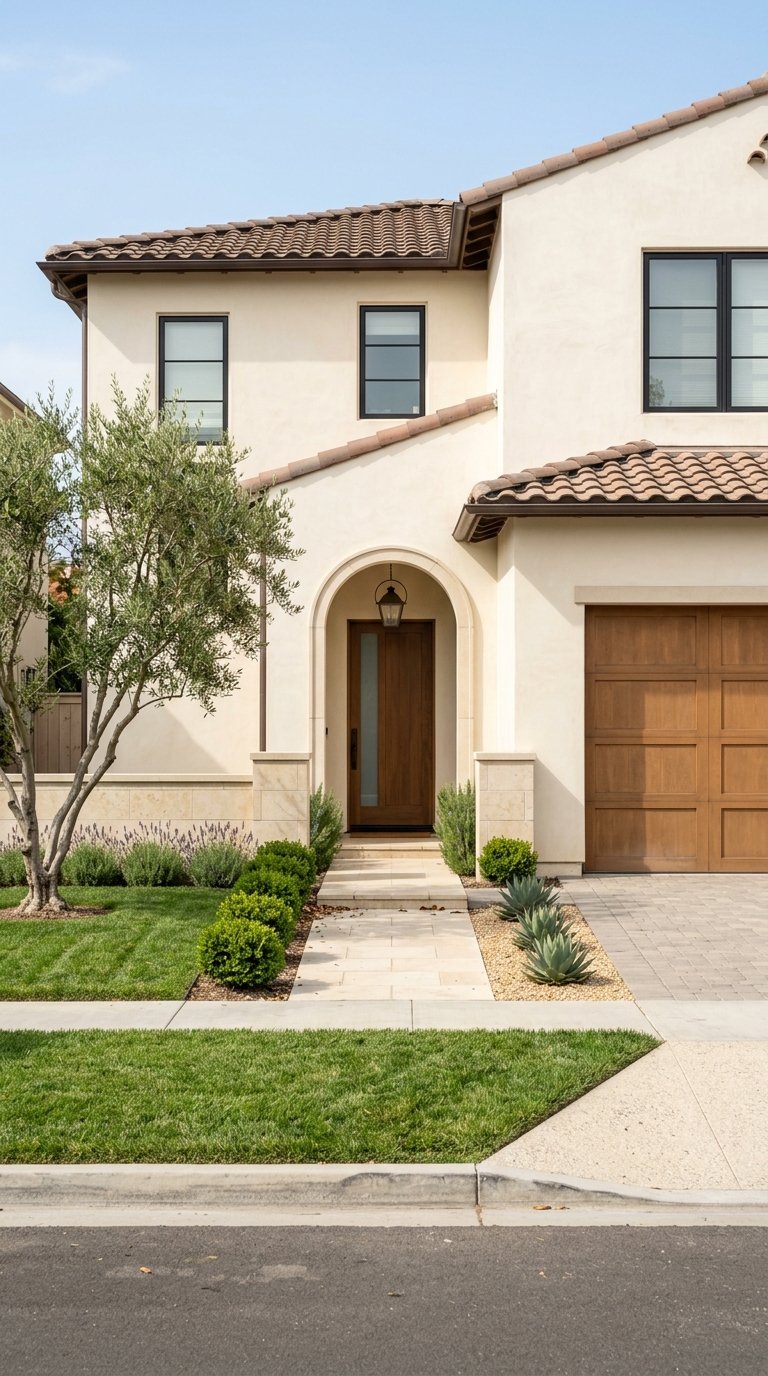
Outside the core, you’ll see mostly detached single-family homes, from mid-century ranches to larger, custom properties on more generous lots. Many of these neighborhoods do not have HOAs. You gain privacy, yard space and the potential for features like ADUs, with the understanding that you will likely drive to downtown or BART.
Rossmoor is a large, gated active-adult community within the Walnut Creek area. It offers garden-style and mid-rise condos, clubhouses, pools, golf and a robust calendar of activities. Rossmoor has its own pricing and pace relative to market-rate single-family neighborhoods and is best considered separately when you compare options.
Market snapshots change monthly, and different aggregators can show different medians based on methods and product mix. Recent public snapshots from early 2026 show:
Treat these as directional guideposts, not quotes. Always verify your specific neighborhood comp set and time frame before making an offer or setting a list price. Figures shift month to month.
Walnut Creek protects thousands of acres of open space, including Shell Ridge, Lime Ridge, Acalanes Ridge and Sugarloaf. Suburban neighborhoods often put you closer to trailheads, which can be great for daily hikes, dog walks and weekend rides. Explore trail systems and visitor tips to see which areas align with your routine. (Walnut Creek Open Space Foundation overview)
Downtown offers a different kind of convenience. You are steps from Broadway Plaza retail and dining, plus cultural venues like the Lesher Center and Bedford Gallery. The area sees frequent pedestrian traffic and weekend activity. You can review the retail and visitor profile for a sense of the district’s scale. (Broadway Plaza market profile)
Family buyers also appreciate access to community parks. Heather Farm Park is a local favorite, with multi-phase improvements and facilities that support a range of activities. Suburban neighborhoods near Heather Farm and other parks see steady interest from buyers who prioritize recreation close to home. (Heather Farm Park improvements summary)
School assignment in Walnut Creek depends on the property address. Many homes are served by the Walnut Creek School District for K–8, with high school in the Acalanes Union High School District. Other addresses may be assigned to different districts, depending on the street. Always verify assignment through the official district tools before you buy. (WCSD boundary lookup) (Acalanes school site information)
If a specific school is important to your decision, make an address check one of your first steps. Districts update boundaries and enrollment policies over time, and address-level verification is the best way to confirm.
Choose downtown if you want to step out for dinner, catch a show, and simplify your commute with a short walk or shuttle to BART. The trade-offs are more activity, less private outdoor space and likely HOA dues. Choose a suburban neighborhood if you value a larger lot, a detached home and quieter streets, and are comfortable driving to downtown or BART.
Many buyers consider a hybrid approach. You might focus on addresses a short drive to BART or within easy reach of favorite parks and shopping, then prioritize a floor plan and yard that match today’s needs. Your daily routine, commute pattern and budget will point you to the best fit.
Use this quick list while you tour homes:
Both downtown and suburban Walnut Creek offer a great quality of life. Your best fit comes down to a few core choices: daily walkability versus private outdoor space, HOA convenience versus independent maintenance, and urban energy versus quieter streets. If you outline your commute, budget range and lifestyle must-haves, your ideal neighborhood often becomes clear.
If you want a local, data-informed perspective on specific streets and floor plans, let’s talk. We help East Bay buyers weigh these trade-offs every week and match them to homes that fit. Reach out to schedule a low-pressure consult with David Downing.
Stay up to date on the latest real estate trends.

Partner with David Downing for premier real estate service in Danville, California. With a commitment to excellence, integrity, and a results-oriented approach, David ensures a seamless and rewarding experience for buyers and sellers alike. Trust in his expertise to guide you through your real estate journey with confidence.