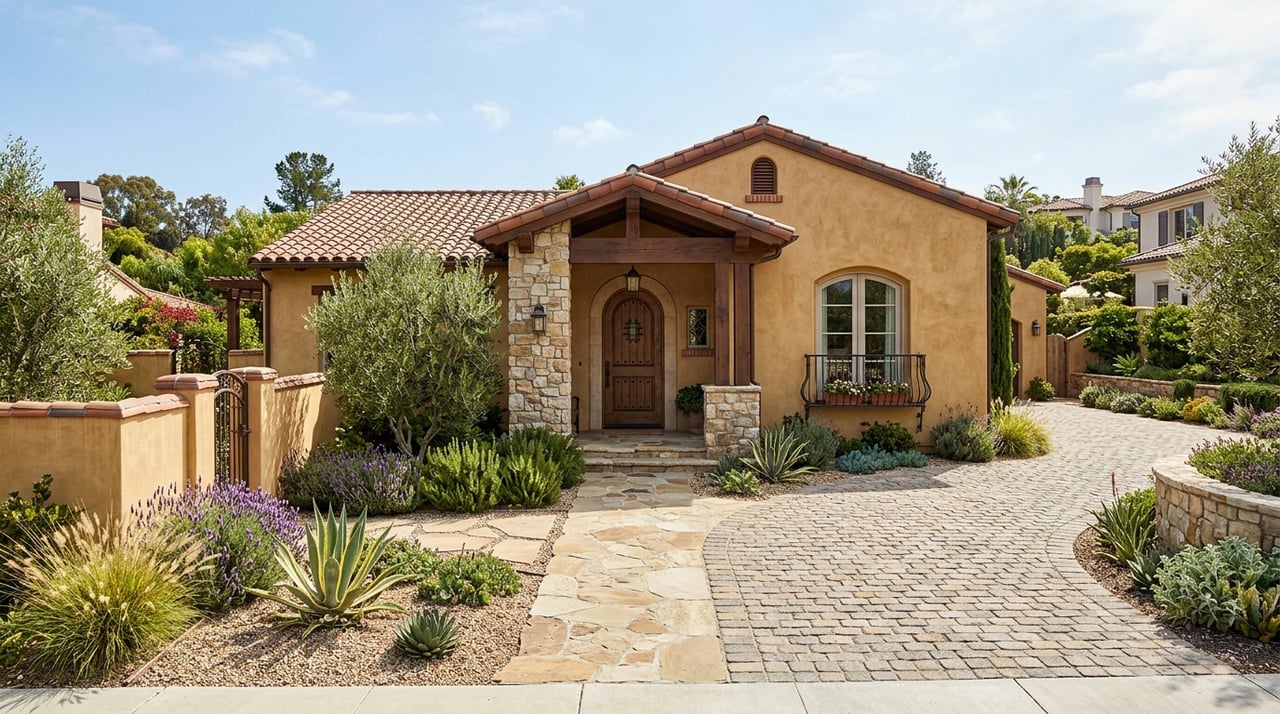
Is Brentwood A Smart East Bay Investment?
If you are looking for an East Bay market with a lower entry price than many 680 corridor suburbs, Brentwood deserves a closer look. It is not the same play as Danville, San Ramon, or Walnut Creek, and that is exactly the point. For some buyers and investors, Brentwood offers a more accessible price basis, a growing city footprint, and a longer-term upside story tied to infrastructure and new development. Let’s dive in.
Brentwood sits in far East Contra Costa, about 55 miles east of San Francisco. The city’s 2024 population estimate was 66,286, up 3.1 percent from 2020, and its owner-occupied housing rate was 82.2 percent. Median household income was $142,494, which supports the picture of Brentwood as a solid suburban ownership market.
The biggest reason Brentwood gets attention is simple: it is more affordable than several better-known East Bay suburbs. Brentwood’s April 2026 median sold price was $730,000, while competitor market snapshots for March 2026 placed Walnut Creek at $845,000, San Ramon at $1.515 million, and Danville at $1.892 million. That spread makes Brentwood a lower-entry option for buyers who want East Bay ownership without paying 680 corridor pricing.
That lower basis matters if you are thinking like a long-term owner. A lower purchase price can mean more flexibility on monthly costs, renovation plans, or future hold strategy. It also gives some buyers a path into a detached-home market that may feel out of reach elsewhere.
Brentwood is not in a straight-up price surge right now. According to the city’s housing reports, median sold prices were $890,000 in 2023, $837,500 in 2024, $835,000 in 2025, and $730,000 in April 2026. That suggests a softer price profile than the 2023 peak.
For an investor or buyer, that can be a positive if you value negotiating room over bidding-war intensity. The city’s April 2026 report showed a median asking price of $849,000 versus a median sold price of $730,000, along with 149 active listings and 63 closed sales. While every property is different, those numbers suggest that some sellers may be pricing above where the market is actually clearing.
This does not automatically make Brentwood a bargain. It does mean you should look at each property carefully, compare asking price to recent sold data, and avoid assuming list price reflects market value. In a softer market, disciplined buying matters.
Speed of sale gives another useful clue. Homes in Brentwood sold in about 19 days on average, compared with 12 days in Walnut Creek, 20 days in San Ramon, and 14 days in Danville, based on the competitor city snapshots in the research. That tells you Brentwood is moving, but not at the same pace as some tighter, more central East Bay markets.
For buyers, that can mean less pressure than you might feel in a faster-moving suburb. For investors, it suggests a market where patience and pricing discipline matter. Brentwood is not a pure momentum story. It reads more like a value-oriented market where the numbers need to make sense on day one.
If your investment plan includes renting out a home, Brentwood has some encouraging signals, but also some limits. Census data shows a median gross rent of $2,758, while Zillow’s rental market snapshot reported average asking rent of $3,450 and 66 available rentals as of May 5, 2026. The city also has a high owner-occupied housing rate at 82.2 percent.
Taken together, that points to a smaller rental pool with meaningful rent levels, especially for single-family homes. That can support a rental strategy for the right property. Still, it is important to keep your expectations grounded. A smaller renter base is not the same as unlimited leasing demand.
Owner costs also help frame the math. Census data shows median monthly owner costs with a mortgage at $3,376. Depending on your purchase price, financing, taxes, insurance, and maintenance, cash flow may be tight unless you buy well. Brentwood may be more attractive as a long-term appreciation and hold play than as an easy short-term cash-flow market.
A smart investment market usually needs more than a low price. It also needs a reason that future demand could strengthen over time. In Brentwood, that story is tied to planned housing, infrastructure improvements, and mixed-use development.
The city’s 2023 to 2031 Housing Element was adopted on February 13, 2024, and Brentwood must plan for 1,522 RHNA units during the cycle. Development project applications are updated by the city every two weeks, which shows an active planning pipeline. For buyers and investors, that means Brentwood is still evolving rather than fully built out.
One of the biggest long-range projects is the Innovation Center @ Brentwood, a 300-acre mixed-use master-planned site with a future planned BART station. The city is marketing the area for business park and town-center development. If that vision advances over time, it could change how parts of Brentwood function, especially around jobs, services, and access.
Infrastructure has already moved forward in nearby areas. The Sand Creek Road Extension opened in 2025 as an approximately $13 million project linking Highway 4 to Heidorn Ranch Road and improving access to the Innovation Center. The city also said the Streets of Brentwood redevelopment began construction in July 2025 and will add new buildings, restaurants, outdoor seating, and other amenities, with future hotel and medical office components also discussed.
That does not guarantee appreciation. It does give Brentwood a visible build-out narrative, which is often what longer-term buyers want to see.
Every investment market has a tradeoff, and in Brentwood the commute is a major one. The city is currently served primarily by Tri Delta Transit. The Brentwood Park & Ride at Walnut Boulevard and Dainty connects to Route 300X to BART, while the East Contra Costa BART extension currently runs to Antioch and Pittsburg Center, not Brentwood.
In practical terms, Brentwood is still largely a car-plus-bus or car-only commute market today. The city’s mean travel time to work was 40 minutes, which reinforces that point. If you are buying in Brentwood, you should view current transit convenience realistically rather than based on future plans.
The future planned station at the Innovation Center could improve access over time. But for now, the commute is part of the price discount. In many ways, Brentwood’s investment appeal comes from that exact balance: lower entry cost today in exchange for longer travel times and a slower-build convenience story.
Not every part of Brentwood offers the same investment profile. If you are trying to think strategically, it helps to separate the city into a few broad change areas identified in planning documents.
The Downtown Specific Plan area covers about 205 acres in the historic center. This is Brentwood’s legacy mixed-use core, which makes it important from a place-making and amenity standpoint. Buyers who value existing character and proximity to the traditional center may find this area especially interesting.
From an investment perspective, downtown often matters because it anchors identity. Even when a city grows outward, the historic center can remain important for dining, local businesses, and civic activity. That can support steady long-term appeal.
The Brentwood Boulevard Specific Plan corridor spans about 310 acres from Delta Road to Second Street. The city describes this corridor as a transition from a rural state route to a local mixed-use arterial. That framing matters because transition corridors often become focal points for future reinvestment.
If you are evaluating nearby homes, pay attention to access, surrounding land use, and how the corridor changes over time. Areas tied to mixed-use improvement can benefit from better services and stronger daily convenience, though outcomes vary property by property.
The Innovation Center and the Sand Creek and Highway 4 node are among the most visible future-growth areas in Brentwood. Between the planned mixed-use development, the future planned BART station, and the Sand Creek Road Extension, this part of the city has a strong forward-looking narrative.
For long-term investors, this may be the clearest example of Brentwood’s build-out potential. If new jobs, amenities, and transportation improvements continue to advance, nearby housing could benefit from that spillover. The key word, though, is could. This is a future-facing thesis, not a guaranteed outcome.
For the right buyer, yes. Brentwood looks most compelling if you want a lower-cost entry point than many East Bay suburban alternatives, you are comfortable with a longer commute profile, and you are thinking in multi-year terms rather than chasing fast appreciation.
It may be especially worth considering if you fit one of these profiles:
On the other hand, Brentwood may be less attractive if you need the shortest possible commute, want the deepest luxury resale demand, or prefer a market with a more established premium reputation today. In that case, central 680 corridor suburbs still offer a different value proposition, but at much higher price points.
In our view, Brentwood is best understood as a value-play East Bay market with a build-out story. It is not the flashiest option, and it is not the most central. But if you buy carefully, stay realistic about commute and rent assumptions, and focus on long-term fundamentals, it can be a smart place to look.
If you want help comparing Brentwood with other East Bay suburbs and deciding which market best fits your goals, connect with David Downing for a thoughtful, data-driven conversation.
Stay up to date on the latest real estate trends.
Partner with David Downing for premier real estate service in Danville, California. With a commitment to excellence, integrity, and a results-oriented approach, David ensures a seamless and rewarding experience for buyers and sellers alike. Trust in his expertise to guide you through your real estate journey with confidence.