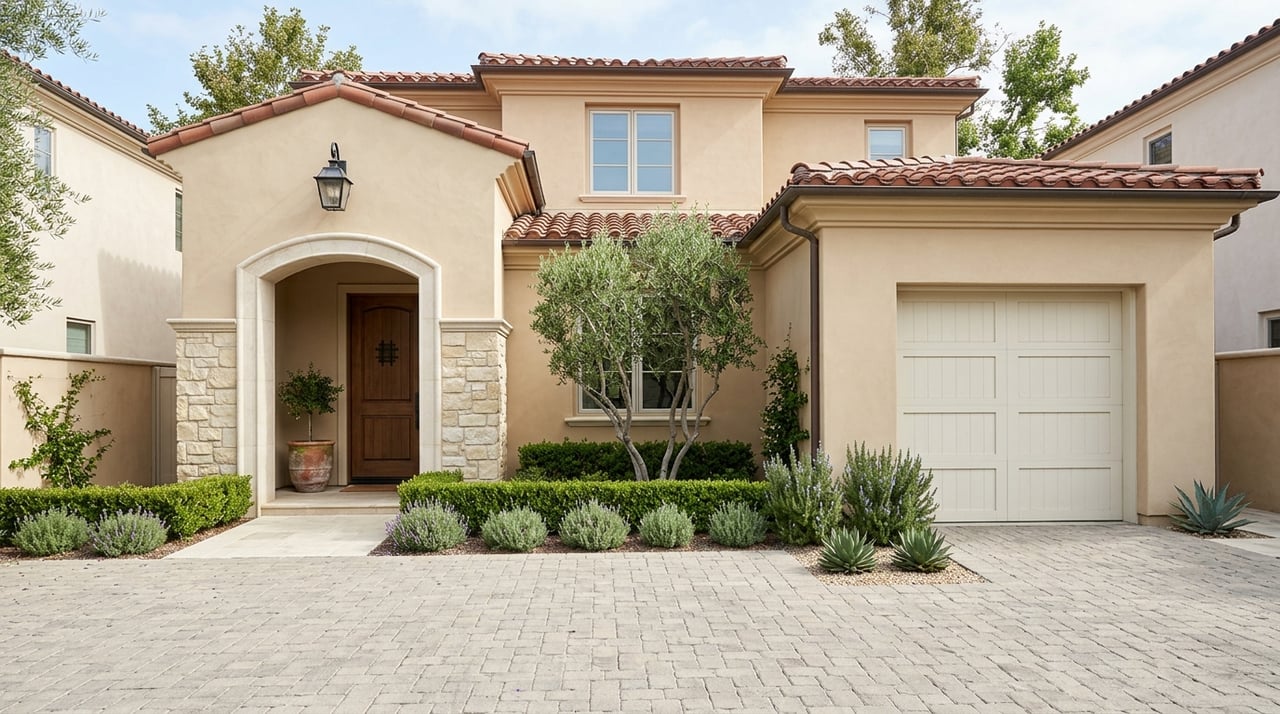
Dublin vs Pleasanton Housing: How to Choose Your Next City
Trying to choose between Dublin and Pleasanton for your next move? You are not alone. These neighboring Tri-Valley cities share strong commuter access and plenty of everyday convenience, but they feel different once you look at housing, growth, transit, and lifestyle. If you want a clear side-by-side breakdown of what matters most, this guide will help you compare the two with confidence. Let’s dive in.
If you want the shortest version, Dublin generally feels newer, more growth-oriented, and more transit-focused, while Pleasanton tends to feel more established, more downtown-centered, and more expensive. That difference shows up in how each city is planning for the future, what housing you are likely to find, and how your daily routine may look.
Dublin has grown rapidly over the past few decades. The city notes that it expanded from about 14,350 residents in 1982 to an estimated 74,691 in 2025, with projections of 89,595 at buildout by 2040, according to the City of Dublin demographics page. Pleasanton, by comparison, reported 78,252 residents in the 2020 census and has grown more slowly in recent years.
That contrast helps explain the overall feel. Dublin is shaped by large planning areas like Downtown Dublin, Eastern Dublin, and Dublin Crossing, while Pleasanton is more focused on infill and redevelopment opportunities at select sites.
For many buyers, price is where the decision starts. Based on recent Redfin housing market data, Dublin had a median sale price of $1.27 million in February 2026, compared with $1.56 million in Pleasanton. Dublin also showed a lower median price per square foot at $645, while Pleasanton came in at $837.
That means Dublin is currently the more affordable option between the two, at least on a relative basis. If you are trying to balance space, budget, and access to the broader Tri-Valley area, that pricing gap may matter quite a bit.
Pleasanton’s market is also moving a little faster. Homes there were selling in about 14 days with 4 offers on average, while Dublin homes were selling in about 21 days with 2 offers on average, according to the same market report. In practical terms, Pleasanton may require quicker decision-making and more competition.
If newer homes and newer districts are high on your list, Dublin has a clear edge. The city has a stronger pipeline for future housing, including the Downtown Dublin Specific Plan, which permits 2,500 net new residential units, along with the broader Eastern Dublin growth area covering about 3,300 acres.
Dublin has also updated parking rules in Downtown Dublin to support mixed-use, transit-oriented development near BART. That matters if you like the idea of newer housing options near shopping, services, and rail access.
Pleasanton’s future supply appears more incremental. The city is looking at housing opportunities tied to places like East Pleasanton, commercial sites, and the Stoneridge area framework and rezoning discussions. So if your preference is an established city with selective change rather than large-scale expansion, Pleasanton may appeal to you more.
Both cities benefit from strong regional positioning. They sit near the I-580 and I-680 crossroads, so either one can work well for buyers commuting across the East Bay, toward Silicon Valley, or into other parts of the Bay Area.
On transit, both Dublin and Pleasanton have two BART stations and local Wheels service, according to the City of Dublin transit page. Pleasanton adds one more rail option with an ACE Rail station downtown, which gives it an advantage if multimodal rail access is important to you.
Dublin, however, stands out for housing clustered around BART and transit-oriented districts. If you want to live near rail and newer mixed-use development, Dublin may offer a more natural fit. If you want more rail choice overall, Pleasanton has the edge.
Daily life often comes down to the small things: where you shop, where you walk, and what kind of setting feels most like home. Here, Dublin and Pleasanton offer two distinct experiences.
Dublin has a more modern retail and master-planned feel. The city highlights more than 24 parks and two open space areas, along with assets like Dublin Hills Regional Park. Shopping and services are closely tied to newer centers such as Hacienda Crossings, Persimmon Place, Fallon Gateway, and other areas near Dublin Boulevard.
Pleasanton offers a more established civic and downtown identity. The city points to 46 parks, more than 60 miles of trails, and over 700 acres of open space, along with destinations such as Historic Downtown Pleasanton, Stoneridge Shopping Center, and the Alameda County Fairgrounds.
In simple terms, Dublin often feels more recently built and more commuter-oriented. Pleasanton often feels more rooted, more downtown-focused, and more oriented around an established street scene and broader trail network.
If schools are part of your move, both cities are served by large unified school districts with multiple campus and program types. It is best to review district resources directly for current attendance details, programs, and enrollment information.
In Dublin, the Dublin Unified School District serves the city and reports 14 schools in its 2024-25 budget materials. The district lists multiple elementary schools, two middle schools, two high schools, TK-8 options, adult education, and alternative learning.
In Pleasanton, the Pleasanton Unified School District bell schedules page lists nine elementary schools, three middle schools, and three high schools. The district also offers a Spanish and English dual-language immersion pathway beginning at Valley View Elementary and continuing through Pleasanton Middle School and Foothill High School.
For buyers, the key takeaway is not that one district is universally better. It is that each offers a different mix of school configurations and programs, so your decision may come down to the type of educational setting or program structure you want to explore.
The right choice depends on what matters most in your next move. Budget, home style, commute pattern, and neighborhood feel all play a role.
Dublin may be the better fit if you want:
Pleasanton may be the better fit if you want:
If you are deciding between Dublin and Pleasanton, try to compare them through your real daily routine. Think about commute timing, the type of home you want, how close you want to be to transit, and whether you prefer a newer planned environment or a more established downtown-centered setting.
It also helps to tour both cities with a specific checklist. Focus on housing stock, neighborhood layout, park access, shopping patterns, and how each area feels during the times you would actually use it most.
A side-by-side strategy can save you time and help you avoid choosing based on general reputation alone. With the right local guidance, you can narrow the choice quickly and focus on the city that best fits your priorities, budget, and long-term plans.
If you are weighing Dublin versus Pleasanton and want a grounded, local perspective on where you will get the best fit and value, connect with David Downing. You will get thoughtful guidance, clear market context, and a more confident path to your next move.
Stay up to date on the latest real estate trends.






Partner with David Downing for premier real estate service in Danville, California. With a commitment to excellence, integrity, and a results-oriented approach, David ensures a seamless and rewarding experience for buyers and sellers alike. Trust in his expertise to guide you through your real estate journey with confidence.