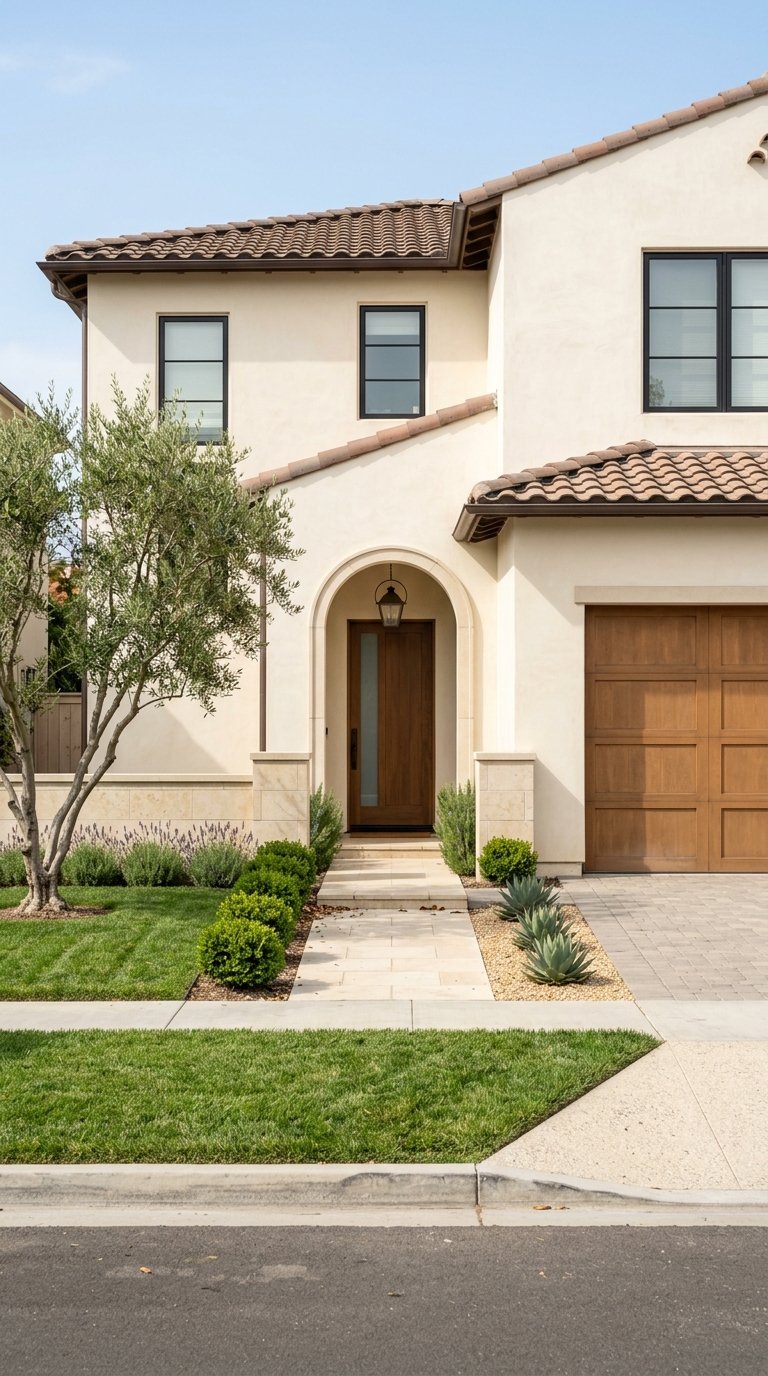
Ready to buy a home in San Ramon but not sure where to start? You are not alone. Between competitive offers, HOA paperwork, and special taxes, the process can feel overwhelming. This guide walks you through each step, highlights local checks that matter in San Ramon, and gives you practical tips to move from pre‑approval to keys with confidence. Let’s dive in.
How the San Ramon market works
San Ramon attracts buyers for its suburban lifestyle, newer master‑planned communities, proximity to Bishop Ranch employers, and access to I‑680. The city is car‑oriented and does not have a BART station inside city limits; the nearest stations are in Walnut Creek and Dublin/Pleasanton. Commute times vary by neighborhood and traffic.
In tight inventory periods, you may see multiple offers. Sellers often favor strong pre‑approvals, meaningful earnest money, shorter escrows, and fewer contingencies. Discuss the risks of tactics like shortening inspections or waiving appraisal with your lender and agent before you write.
For up‑to‑date pricing and days on market, check your agent’s local MLS feed such as BridgeMLS and statewide reports from the California Association of REALTORS. Use consumer trend sites only as quick snapshots and verify with MLS data.
Step‑by‑step home buying in San Ramon
1) Get financially prepared
- Secure a full mortgage pre‑approval, not just a pre‑qualification. Expect to provide W‑2s, tax returns, and bank statements.
- Ask about conventional, jumbo, VA, or FHA options, and make sure your lender is experienced with Bay Area loan limits.
- Explore first‑time buyer assistance through state or county programs. Start with Contra Costa County housing resources or CalHFA programs to see if you qualify.
2) Map neighborhoods to your priorities
- Weigh commute routes, I‑680 access, and distance to the nearest BART station outside San Ramon.
- Decide between single‑family homes, townhomes, or condos and whether you want an HOA.
- If school assignment is a priority, confirm the exact address using San Ramon Valley Unified School District resources. Boundaries and policies can change.
3) Tour homes and gather context
- Attend weekend open houses and schedule private showings for serious contenders. New construction may have separate sales offices and incentives.
- Visit at different times of day to gauge traffic, street parking, and noise patterns.
- Ask your agent for recent comparable sales to understand value in your target micro‑area before you offer.
4) Perform due diligence before you write
- Review seller disclosures: Transfer Disclosure Statement, Natural Hazard Disclosure, and any inspection reports already obtained.
- Ask your agent to check preliminary title information and any recorded easements.
- Review property taxes through the Contra Costa County Assessor. Confirm any Mello‑Roos or special assessments that affect the annual bill.
5) Write a tailored offer
- Core terms include price, earnest money deposit, loan and appraisal contingencies, inspection contingency, closing timeline, and occupancy details.
- In competitive situations, some buyers use escalation clauses, shorten contingency periods, or offer a rent‑back to the seller. Every tactic has tradeoffs. Align with your lender and agent on what fits your risk tolerance and budget.
- Include a current pre‑approval letter and proof of funds for down payment and closing costs.
6) Inspect and review contingencies
- Schedule a general home inspection promptly. Common add‑ons include pest/termite, roof, HVAC, and a sewer camera if age or tree roots are a concern.
- If there is an HOA, you will receive CC&Rs, bylaws, budgets, reserve studies, and meeting minutes. Use your contractual review window carefully and ask questions.
- Request estimates for any significant issues so you understand potential near‑term costs.
7) Appraisal, title, and escrow
- Most financed purchases require an appraisal. If values are moving quickly, discuss appraisal gap strategies in advance.
- Title insurance protects against certain recorded defects. Escrow coordinates funds, documents, and closing conditions.
- A typical escrow for resale is about 30 to 45 days, though timelines can be negotiated.
8) Closing and move‑in
- Complete a final walkthrough 24 to 72 hours before closing to verify condition and agreed repairs.
- Sign closing documents at the title or escrow office. Bring identification and any required funds.
- Transfer utilities, confirm homeowners insurance is in place, and file a change of address after you receive keys.
San Ramon checklist: items you should always verify
- School attendance: Confirm the exact address with SRVUSD resources if schools are part of your decision.
- Mello‑Roos or special taxes: Verify on the tax bill and with the County Assessor.
- HOA: Request documents early, understand dues and reserve health, and note any property use rules.
- Wildfire risk: Check Cal Fire’s hazard information and local preparedness guidance. Start with Cal Fire for hazard mapping.
- Flood zones: Review FEMA’s map to see if flood insurance may be required. Use the FEMA Flood Map Service Center.
- City and utility requirements: Confirm any permit or sewer‑related items with the City of San Ramon Public Works and Building divisions.
Neighborhood snapshots to narrow your search
Dougherty Valley, including Windemere and Gale Ranch
- Home types: Predominantly newer single‑family homes and townhomes in master‑planned settings.
- Age and HOA: Newer construction, nearly always HOA‑governed with community amenities. Expect community rules and structured maintenance.
- Schools: Served by SRVUSD. Always verify the specific address for attendance.
- Commute and access: East of I‑680 with surface routes to the freeway; nearest BART stations are outside the city.
- Lifestyle: Parks, trails, and planned neighborhood features are common, with a cohesive community feel.
Established neighborhoods west and central San Ramon
- Home types: Mix of older single‑family homes with varied floorplans and lot sizes; some townhomes and condos.
- Age and HOA: Generally older stock with fewer HOAs, more flexibility for updates depending on property and city rules.
- Schools: Within SRVUSD; verify attendance for each address.
- Commute and access: Often closer to I‑680 entries and retail corridors.
- Lifestyle: Mature landscaping, diverse architectural styles, and opportunities to personalize homes through renovation.
Near Bishop Ranch and City Center
- Home types: Townhomes, condos, and single‑family homes near commercial hubs.
- HOA and amenities: HOAs are common in attached homes; expect convenient access to shopping, dining, and services.
- Commute and access: Short intra‑city commutes for Bishop Ranch employees; freeway access varies by pocket.
Hillside and periphery areas
- Home types: Single‑family homes on or near hillside terrain, sometimes with larger or unique lots.
- Risks and due diligence: Evaluate wildfire exposure, emergency access, and insurance availability. Review geological concerns with appropriate inspections.
- Commute and access: Longer surface routes to I‑680; plan for drive times during peak hours.
Disclosures, inspections, and key local risks
California resale transactions include a Transfer Disclosure Statement and a Natural Hazard Disclosure that covers fire, flood, and seismic information. Homes built before 1978 require a lead‑based paint disclosure. HOA properties include CC&Rs, bylaws, budgets, and reserve studies that you should review within your contract timeline.
Common inspections in San Ramon include general home, pest/termite, roof, HVAC, sewer lateral or camera, chimney, pool, and geological reviews for hillside properties. If an older home has not been retrofitted for seismic safety, consider discussing retrofit options and insurance with your provider.
Wildfire, flood, and seismic hazards vary by location. Use Cal Fire for statewide fire hazard information and the FEMA Flood Map Service Center for flood zones. Insurance availability and cost can be affected by hazard ratings, so request quotes early if you are targeting higher‑risk areas.
Newer developments may include Mello‑Roos or other special assessments that increase annual property tax bills. Confirm details with your escrow officer and the Contra Costa County Assessor. Remember that Prop 13 means the assessed value resets at purchase, then increases are capped within state guidelines.
Timelines, costs, and what to expect
- Search timeline: Weeks to months depending on inventory and your criteria.
- Escrow length: Often 30 to 45 days for resale. New construction may run longer.
- Inspection period: Commonly 5 to 17 days, set by your contract and negotiation.
- Earnest money deposit: Frequently 1 to 3 percent of the purchase price, negotiated case by case.
- Closing costs: Plan for roughly 2 to 5 percent of the purchase price, depending on loan type and prepaid items. Your lender and escrow team will estimate your specific figures.
Your next steps
- Get a strong pre‑approval from a lender who understands Bay Area financing.
- Shortlist neighborhoods that match your commute and home type preferences.
- Verify SRVUSD school boundaries for any address you are considering.
- Check for HOA rules, Mello‑Roos, and local hazards early, not after you offer.
- Partner with a local advisor who can guide you through competitive offer strategies and timelines using BridgeMLS data and C.A.R. resources.
If you want a clear path from search to keys, we are here to help. Start a conversation with David Downing to plan your San Ramon purchase with local insight and a proven process.
FAQs
How do competitive offers in San Ramon usually work?
- In low‑inventory periods, you may see multiple offers. Strong pre‑approvals, larger earnest money, shorter escrows, and targeted contingencies can help, but every tactic has risk that you should review with your lender and agent.
What is Mello‑Roos and where might I find it?
- Mello‑Roos is a special tax common in newer planned communities that funds infrastructure. Confirm presence and amounts through the tax bill, your escrow officer, and the Contra Costa County Assessor.
How do schools affect my San Ramon search?
- School assignment is a common factor for buyers. Always verify the exact property address with SRVUSD resources, since boundaries and policies can change.
Is there a BART station in San Ramon?
- No. The nearest BART stations are outside the city, typically Walnut Creek or Dublin/Pleasanton. Consider this when evaluating commute times in each neighborhood.
Which inspections are most common before closing?
- A general home inspection plus pest/termite are typical. Depending on the property, you may also add roof, HVAC, sewer camera, chimney, pool, or geological inspections for hillside homes.
How long does escrow take in a typical San Ramon purchase?
- Many resale transactions close in about 30 to 45 days. Timelines depend on your loan, appraisal timing, and negotiated contingencies.